
As artificial intelligence transforms the hiring landscape, lawmakers across the United States are responding with targeted legislation to prevent algorithmic discrimination in recruitment processes. From automated resume screening to AI-powered interviews, these technologies promise efficiency but risk perpetuating bias against protected classes. Here’s how new state laws are reshaping how employers must approach AI-enabled hiring.
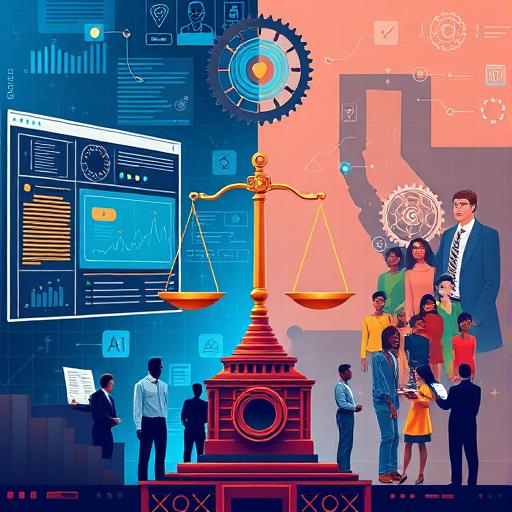
The Rise of AI in Hiring and Its Discrimination Risks
AI hiring tools have become ubiquitous across industries. Companies use machine learning algorithms to screen resumes, analyze video interviews, assess personality traits, and predict job performance. While these tools can process thousands of applications quickly, studies have revealed concerning patterns of discrimination.
AI hiring systems have been found to systematically have biases. These biases often stem from training data that reflects historical hiring patterns, poorly designed algorithms that correlate protected characteristics with job suitability, or systems that inadvertently screen out qualified candidates based on irrelevant factors.
Colorado Leads with Comprehensive Hiring Protections
Colorado has made history as the first state to enact comprehensive AI legislation specifically targeting algorithmic discrimination in employment. The Colorado Artificial Intelligence Act (CAIA), signed into law in May 2024, will take effect on February 1, 2026, establishing a new standard for AI hiring practices.
Key Hiring-Focused Provisions of the Colorado AI Act
The legislation defines “high-risk AI systems” to specifically include those used in employment decisions, covering recruitment, hiring, promotion, termination, and performance evaluation processes.
For AI Developers Creating Hiring Tools:
- Must exercise reasonable care to prevent discriminatory outcomes in employment contexts during system development
- Required to provide comprehensive documentation about the hiring AI system’s capabilities, limitations, and bias mitigation measures
- Must conduct impact assessments specifically examining potential discrimination against protected classes in hiring
- Obligated to disclose any discovered discriminatory patterns in hiring outcomes within 90 days
for Employers Using AI in Hiring:
- Must establish risk management policies specifically addressing algorithmic discrimination in recruitment and selection
- Required to conduct annual impact assessments of AI hiring systems, examining outcomes across demographic groups
- Must implement reasonable safeguards to prevent discriminatory hiring practices
- Need to provide transparency disclosures to job applicants when AI systems are used in hiring decisions
Safe Harbor for Compliance: Employers who follow specific procedural requirements for bias testing, impact assessment, and corrective action receive legal protections, incentivizing proactive discrimination prevention rather than reactive damage control.
California’s Employment-Focused AI Regulations
California has enacted comprehensive AI regulations with particular attention to hiring discrimination. The state’s employment-focused AI regulations under the Fair Employment and Housing Act (FEHA) take effect on October 1, 2025, establishing detailed frameworks for AI-based hiring tools.
California’s approach requires employers using AI in hiring to:
- Conduct bias audits of AI hiring systems before deployment
- Monitor ongoing hiring outcomes for discriminatory patterns
- Provide applicant notifications when AI is used in hiring decisions
- Maintain detailed records of AI hiring tool performance across demographic groups
- Implement corrective measures when discriminatory patterns are identified
The California framework is particularly notable for requiring pre-deployment bias testing, going beyond the reactive approaches of many other jurisdictions.
Massachusetts Restricts Government AI Hiring
Massachusetts enacted H.B. 1688 in May 2024, which specifically prohibits state agencies from using AI systems that discriminate in hiring and employment decisions. While focused on government employment, the law establishes principles that are influencing private sector practices.
The Massachusetts law requires state agencies to:
- Conduct discrimination assessments before implementing AI hiring tools
- Provide human review options for AI-driven hiring decisions
- Maintain transparency about AI use in government recruitment
- Regular auditing of AI hiring outcomes for bias
Utah’s Targeted Hiring Protections
Utah has implemented AI legislation that includes specific provisions for employment discrimination, focusing on transparency and accountability in AI hiring processes. The Utah approach emphasizes employer responsibility for understanding and controlling the AI tools they deploy in recruitment.
What These Laws Mean for Employers
The emerging legislative framework creates several key obligations for organizations using AI in hiring:
Pre-Deployment Testing: Employers must proactively assess AI hiring tools for discriminatory bias before implementation, not simply respond to problems after they occur. This includes testing across different demographic groups and job categories.
Ongoing Monitoring: Annual or continuous monitoring for discriminatory hiring outcomes is becoming standard, requiring employers to track hiring rates, advancement patterns, and performance evaluations across protected classes.
Applicant Transparency: Many laws require employers to notify job applicants when AI systems are used in hiring decisions, with some jurisdictions providing applicants the right to request human review of AI-driven rejections.
Documentation and Auditing: Employers need robust documentation of AI hiring system capabilities, limitations, and anti-discrimination measures, with many laws requiring detailed record-keeping of hiring outcomes by demographic group.
Vendor Due Diligence: Companies purchasing third-party AI hiring tools must verify that vendors have implemented appropriate bias testing and mitigation measures.
Impact on Hiring Practices and HR Technology
The rise of AI hiring discrimination legislation is fundamentally changing how companies approach recruitment technology:
Vendor Selection: HR departments must now evaluate AI hiring tools not just for efficiency and accuracy, but for their bias testing protocols, demographic impact assessments, and compliance with emerging regulations.
Internal Processes: Companies are implementing new governance frameworks specifically for AI hiring, including bias review committees, regular algorithmic audits, and standardized procedures for addressing discriminatory outcomes.
Training and Awareness: HR professionals require new training on AI bias, algorithmic discrimination, and legal compliance requirements specific to AI-enabled hiring.
Alternative Approaches: Some companies are scaling back AI hiring tool usage or implementing human-in-the-loop systems to maintain compliance while benefiting from AI efficiency gains.
Challenges and Compliance Considerations
The new legal landscape presents several challenges for employers:
Technical Complexity: Understanding and auditing AI hiring systems requires technical expertise that many HR departments lack, creating demand for specialized consultants and audit services.
Vendor Relationships: Companies must navigate complex contractual relationships with AI vendors, ensuring appropriate liability allocation and compliance support.
Multi-State Operations: Organizations hiring across multiple states must comply with varying requirements, creating operational complexity as different jurisdictions implement different standards.
Proving Compliance: Demonstrating non-discrimination in AI hiring requires sophisticated data analysis and statistical methods that go beyond traditional EEO compliance approaches.
Looking Ahead: The Future of AI Hiring Regulation
As we move through 2025 and beyond, several trends are emerging in AI hiring discrimination legislation:
Standardization Efforts: Industry groups and legal experts are pushing for more consistent standards across jurisdictions to reduce compliance complexity while maintaining strong protections against hiring discrimination.
Algorithmic Auditing Requirements: Expect more detailed requirements for third-party auditing of AI hiring systems, potentially creating certification programs for bias-free hiring algorithms.
Candidate Rights Expansion: Future legislation may expand job applicant rights, including access to AI decision-making factors, explanation of automated hiring decisions, and stronger appeal processes for AI-driven rejections.
Industry-Specific Rules: Sectors with particular discrimination concerns, such as technology and finance, may face additional AI hiring requirements beyond general state laws.
Best Practices for Employers
To navigate this evolving landscape successfully, employers should:
Implement Proactive Governance: Establish AI hiring governance frameworks before deployment, including bias testing protocols, ongoing monitoring procedures, and clear escalation processes for addressing discriminatory outcomes.
Invest in Training: Ensure HR teams understand AI bias risks, legal requirements, and practical compliance measures specific to hiring technology.
Partner with Compliant Vendors: Work only with AI hiring technology providers who can demonstrate robust bias testing, ongoing monitoring capabilities, and compliance support.
Document Everything: Maintain detailed records of AI hiring system performance, bias testing results, and corrective actions taken to address discriminatory patterns.
Stay Informed: Monitor evolving state requirements and industry best practices, as this legal landscape continues to develop rapidly.
Conclusion
The emergence of AI hiring discrimination legislation represents a critical shift in employment law, moving beyond traditional equal opportunity approaches to address the unique challenges posed by algorithmic decision-making in recruitment. Colorado’s pioneering framework, California’s comprehensive employment focus, and similar efforts in Massachusetts and Utah are creating a new paradigm where employers must proactively prevent algorithmic bias rather than simply respond to discrimination complaints.
For organizations using AI in hiring, the message is clear: the era of unregulated algorithmic recruitment is ending. Companies that succeed in this new environment will be those that view anti-discrimination requirements not as obstacles to efficient hiring, but as essential components of fair and legally compliant recruitment practices.
As this regulatory landscape continues to evolve rapidly, staying informed about new developments and maintaining robust AI hiring governance will be essential for any organization seeking to harness AI’s recruitment benefits while protecting against discriminatory outcomes. The future of hiring lies in the intersection of technological innovation and principled fairness and the law is now ensuring that both priorities receive equal attention.